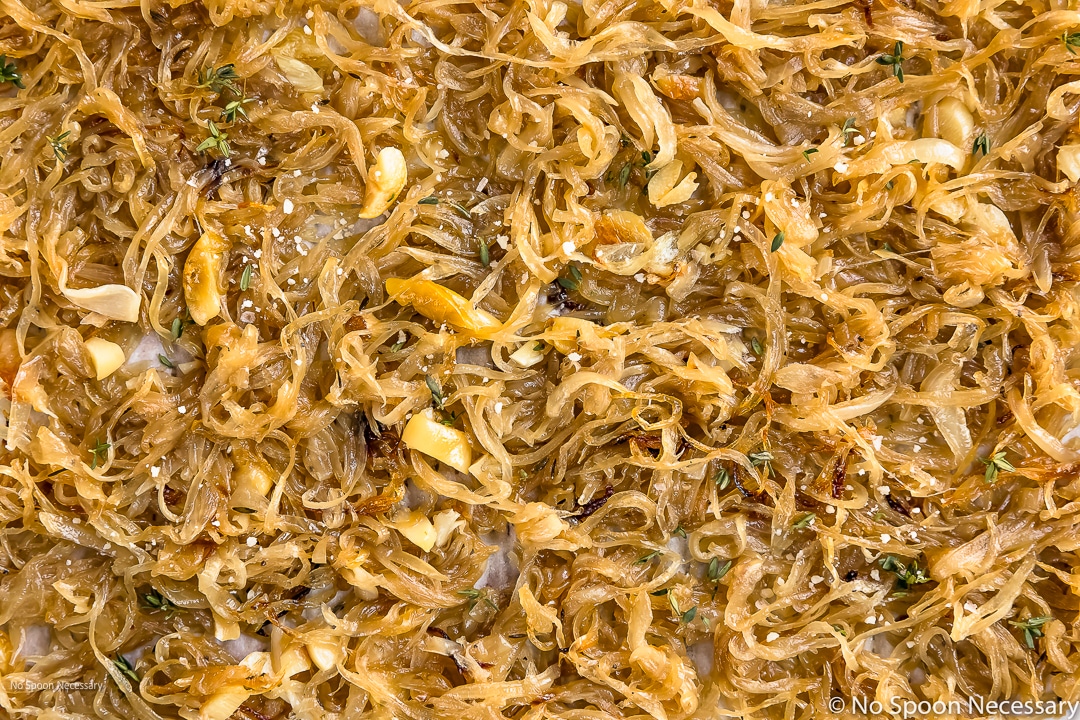
Oven Caramelized Onions: The Easy Hands-Off Kitchen Hack
There’s a certain alchemy that occurs when humble, pungent onions transform into sweet, golden, melt-in-your-mouth wonders. This culinary magic elevates countless dishes, adding an unmatched depth of savory-sweet flavor. From gourmet burgers and creamy risottos to topping a rustic crostini or enriching a rich stew, caramelized onions are a versatile and irresistible treat. However, achieving that perfect caramelization traditionally requires constant attention, patient stirring, and a watchful eye over a hot stovetop – a task many aspiring home cooks find daunting.
But what if we told you there was a simpler way? A secret weapon, a true
kitchen hack make caramelized onions oven
method that delivers exquisite results with minimal effort? Enter the oven. This comprehensive guide will demystify the art of caramelizing onions, providing you with a foolproof, mostly hands-off technique that will change your cooking forever. Get ready to unlock the secrets of perfectly oven-caramelized onions and elevate your culinary creations to new heights.The Magic Behind the Maillard: Why the Oven is Your Secret Weapon
Caramelization is a complex chemical process primarily involving the breakdown and rearrangement of sugars under high heat, forming hundreds of new flavor compounds. This isn't just about sugars browning; it's a symphony of flavor development known as the Maillard reaction, responsible for that characteristic deep brown color, sweet aroma, and rich, complex taste of perfectly cooked onions.
Traditionally, this process happens in a pan on the stovetop, demanding constant stirring to prevent burning and ensure even cooking. The stove’s direct heat can create hot spots, making consistent caramelization a challenge. This is where the oven shines as an ingenious kitchen hack for making caramelized onions:
- Consistent, Gentle Heat: The oven provides a stable, ambient temperature that surrounds the onions, promoting uniform cooking and caramelization without the harsh direct heat of a burner.
- Hands-Off Approach: Once the onions are in the oven, your active involvement is drastically reduced. Occasional stirring is needed, but you're freed from the constant vigilance required by the stovetop method. This is the core of why it's such a brilliant
kitchen hack make caramelized onions oven
style. - Less Risk of Burning: The lower, more even heat of the oven significantly reduces the chance of scorching your onions, giving you more leeway and peace of mind.
- Batch Cooking Made Easy: An oven allows you to caramelize a larger quantity of onions at once, making it ideal for meal prepping or when you need a generous batch for a special occasion.
The oven essentially creates a slow-cooker environment for your onions, coaxing out their natural sugars and allowing them to transform beautifully and effortlessly.
Your Step-by-Step Guide to Oven Caramelized Onion Perfection
Ready to turn basic onions into a sweet, savory, and deeply flavorful gourmet ingredient? Here’s how to harness the power of your oven.
Ingredients:
- 2-3 pounds yellow onions (about 4-6 medium onions)
- ¼ cup olive oil
- 1 tablespoon unsalted butter (optional, for richer flavor)
- 1 teaspoon sea salt
- ½ teaspoon black pepper
- ¼ cup balsamic vinegar, red wine, or broth (optional, for deglazing and deeper flavor)
Equipment:
- Large, heavy-bottomed, oven-safe skillet (cast iron or stainless steel) or a deep roasting pan
- Sharp knife
- Cutting board
Instructions:
- Preheat Your Oven: Set your oven to 300°F (150°C). This lower temperature is key to slow, even caramelization and prevents burning. For a deeper dive into the ideal temperatures and timings to achieve these perfect results, explore our article on Master Oven Caramelized Onions: Temp & Time for Perfect Results.
- Prepare the Onions: Peel the onions and slice them thinly and uniformly. Aim for slices about ¼-inch thick. Consistency is crucial here; uneven slices will cook at different rates, leading to some being perfectly caramelized while others are undercooked or overcooked.
- The Optional Sauté (Highly Recommended): In your large oven-safe skillet, heat the olive oil and butter (if using) over medium heat on the stovetop. Add the sliced onions, salt, and pepper. Sauté for about 10-15 minutes, stirring occasionally, until the onions soften significantly and become translucent. This initial sauté jumpstarts the cooking process, drawing out moisture and beginning the softening phase, which saves time in the oven and helps prevent drying out.
- Transfer to the Oven: Spread the softened onions evenly in the skillet or roasting pan. Ensure they are not too crowded; if necessary, use two pans. Transfer the pan to the preheated oven.
- Bake and Stir: Bake for 45 minutes to 1 hour, or even longer, depending on the desired level of caramelization. Stir the onions every 20-30 minutes. This occasional stirring ensures even browning and prevents sticking, but it's far less demanding than stovetop caramelization. You'll notice the onions gradually transforming from white to pale yellow, then golden, and finally to a deep, rich brown.
- The Deglazing Touch (Optional, but Flavorful): Once the onions have reached your desired deep golden-brown color and are wonderfully tender, remove the pan from the oven. If using, pour in the balsamic vinegar, red wine, or broth. Stir well, scraping up any delicious browned bits (fond) stuck to the bottom of the pan. This deglazing step adds another layer of complexity and helps to evenly distribute the rich flavors.
- Serve and Enjoy: Your perfectly oven-caramelized onions are ready to be savored!
- Embrace Patience: While this method is hands-off, caramelization takes time. Don't try to rush the process by increasing the oven temperature too much, as this can lead to burning rather than true caramelization.
- Don't Overcrowd the Pan: Give your onions space to breathe and brown. If you pack them too tightly, they will steam instead of caramelize. Use a larger pan or divide the onions between two pans if necessary.
- A Touch of Sweetness: While onions naturally contain sugars, a tiny pinch of brown sugar or a drizzle of maple syrup (about ½ teaspoon per pound of onions) added during the last 30 minutes of baking can accelerate the process and enhance their sweetness.
- Troubleshooting - Too Slow: If your onions are taking an unusually long time to brown and seem soggy, check your oven temperature. It might be running a bit cool. You can also increase the temperature to 325°F (160°C) for the last segment of cooking, but watch them closely.
- Troubleshooting - Drying Out/Burning: If your onions appear to be drying out too quickly or browning unevenly (or too fast), stir them more frequently. If they are browning too much on top, you can loosely cover the pan with foil for part of the baking time.
- Storage: Fully caramelized onions can be stored in an airtight container in the refrigerator for up to a week, or frozen for up to three months. Portion them into ice cube trays for easy access to small amounts.
- Herbaceous Notes: Add fresh sprigs of thyme or rosemary to the pan during the last hour of baking for an earthy aroma.
- Different Acids: Beyond balsamic, try a splash of sherry vinegar, red wine vinegar, or even a dry white wine for nuanced acidity.
- Spice It Up: A pinch of smoked paprika or a tiny amount of chili flakes can add a subtle kick.
- Richness with Fat: Rendered bacon fat or duck fat can replace some of the olive oil for an incredibly rich, savory flavor.
- Sweetness Boost: A small amount of maple syrup, brown sugar, or honey can deepen the sweet notes and accelerate caramelization slightly.
- Classic Topping: Indulge in them on gourmet burgers, hot dogs, steak sandwiches, or as an exquisite topping for grilled steak or pork chops.
- Breakfast & Brunch: Stir them into scrambled eggs, omelets, frittatas, or serve alongside breakfast potatoes.
- Savory Baked Goods: Incorporate them into quiches, savory tarts, focaccia, or even a unique caramelized onion pizza.
- Soups & Sauces: They are the essential base for French onion soup, and can enrich gravies, pan sauces, or add depth to tomato sauces.
- Dips & Spreads: Mix with cream cheese, sour cream, or goat cheese for a divine spread or dip.
- Grains & Pasta: Fold them into creamy risotto, or toss with pasta dishes for an instant flavor upgrade.
- Grilled Cheese Reimagined: Elevate a simple grilled cheese sandwich to a sophisticated culinary experience.
Expert Tips & Troubleshooting for Flawless Results
Even with a "hack," a few insider tips can make your oven-caramelized onions truly shine:
Elevate Your Dishes: Flavor Variations & Serving Suggestions
Once you master this
kitchen hack make caramelized onions oven
, a world of culinary possibilities opens up. To truly Transform Onions: A Foolproof Oven Caramelization Guide, consider experimenting with these creative additions:Flavor Variations:
Irresistible Serving Ideas:
Conclusion
The quest for perfectly caramelized onions no longer needs to be a labor-intensive endeavor. By embracing the oven method, you gain a powerful
kitchen hack make caramelized onions oven
that delivers deeply flavorful, sweet, and tender results with significantly less effort. This hands-off approach frees you from constant stirring, allowing you to focus on other aspects of your meal or simply enjoy your time. So, peel those onions, preheat your oven, and prepare to transform an ordinary ingredient into an extraordinary culinary delight that will impress your taste buds and simplify your cooking routine. Happy caramelizing!