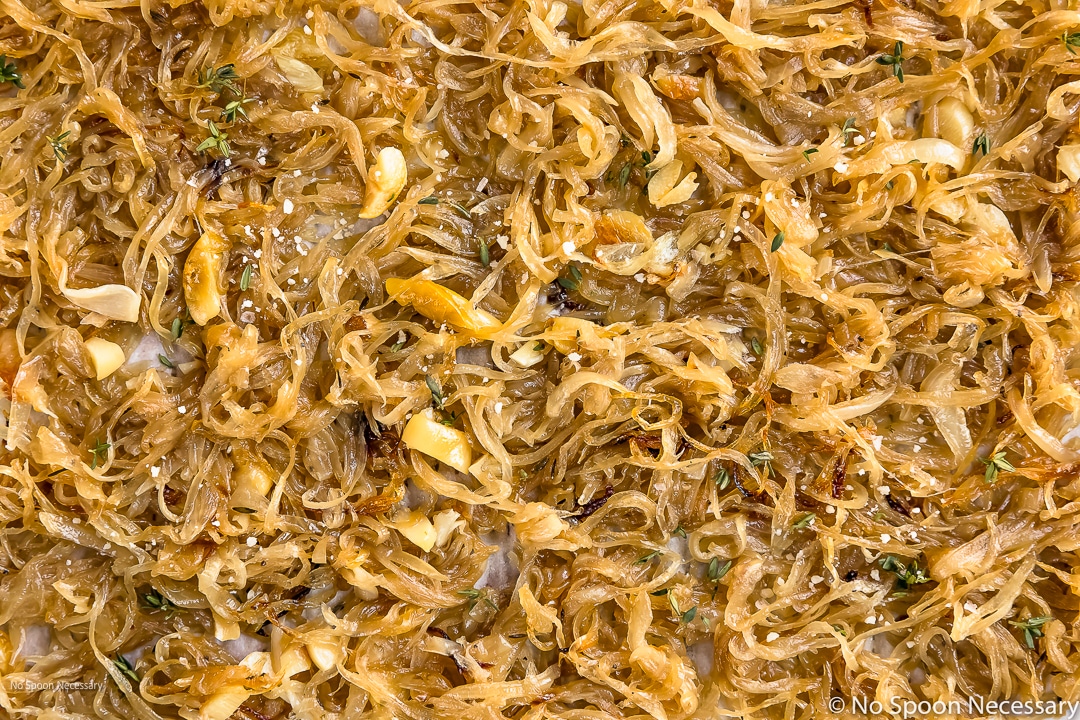
There's an undeniable magic that happens when humble, pungent onions undergo a slow, gentle transformation into sweet, golden, intensely flavorful caramelized wonders. This culinary alchemy isn't just a trick; it's a profound enhancement that elevates countless dishes from ordinary to extraordinary. From topping a gourmet burger to enriching a creamy risotto or simply gracing a crusty slice of bread, caramelized onions are a versatile and irresistible treat. However, achieving that perfect, deep caramelization can often seem like a daunting task, typically requiring constant vigilance and endless stirring over a hot stovetop.
But what if we told you there's a simpler, more hands-off way to achieve this culinary perfection? Enter the oven – your secret weapon and the ultimate kitchen hack to make caramelized onions that are melt-in-your-mouth tender, savory, and candy-sweet. Forget the stovetop theatrics; this comprehensive guide will demystify the art of caramelizing onions in the oven, providing you with a truly foolproof method to create these culinary gems in the comfort of your own kitchen. Get ready to unlock the secrets of perfectly caramelized onions and elevate your cooking to new heights with minimal effort.
The Culinary Alchemy: Understanding Caramelization
Before we dive into the practical steps, let's briefly touch upon the fascinating science behind caramelization. It's a complex chemical process that occurs when sugars are heated to high temperatures. As the temperature rises, the naturally occurring sugars within the onions (primarily fructose and glucose) begin to break down and rearrange themselves. This process forms hundreds of new flavor compounds, responsible for the characteristic rich brown color, sweet aroma, and the deeply complex, umami-rich flavor profile of caramelized onions. It's not just about browning; it's about flavor development.
Key Factors Influencing Perfect Caramelization:
- Temperature: The sweet spot for caramelizing onions is typically between 250°F and 300°F (120°C and 150°C). Too low, and you risk slow cooking that can lead to soggy onions without sufficient browning. Too high, and you'll likely end up with burnt, bitter onions before they've had a chance to develop their full flavor. The oven excels at maintaining this consistent, gentle heat.
- Time: Patience is truly a virtue here. Caramelizing onions takes time – often 45 minutes to an hour, and sometimes even longer, depending on the desired level of deep golden-brown richness. The beauty of the oven method is that much of this time is hands-off.
- Sugar Content: Onions naturally contain sugars, but certain varieties have more. While not strictly necessary, a small amount of added sugar like brown sugar, honey, or even a splash of balsamic vinegar can accelerate the browning process and enhance the overall sweetness.
- Acidity: A touch of acidity, such as balsamic vinegar, red wine vinegar, or even a splash of dry wine, can do wonders. It helps to break down the onions' cell walls, allowing for more even caramelization and adding another layer of complex flavor.
Why the Oven is Your Ultimate Caramelization Kitchen Hack
While the stovetop method is traditional, the oven offers distinct advantages that make it a superior easy hands-off kitchen hack for making caramelized onions:
- Consistent, Gentle Heat: Unlike a stovetop burner, which can create hot spots, an oven provides uniform heat surrounding the onions. This minimizes the risk of uneven cooking and burning, ensuring a more consistent, beautiful caramelization across all your onion slices.
- Hands-Off Approach: This is arguably the biggest selling point. Once the onions are in the oven, you're free to attend to other tasks. You'll only need to stir them every 15-20 minutes, a stark contrast to the near-constant stirring required on the stovetop. This transforms what was once a laborious process into a remarkably simple one.
- Less Risk of Burning: The lower, more controlled temperature of the oven significantly reduces the chances of accidentally burning your onions, which is a common pitfall with high heat stovetop methods.
- Scalability: Need a large batch? The oven allows you to caramelize a substantial quantity of onions at once, making it perfect for meal prepping or entertaining.
For anyone looking to effortlessly make caramelized onions in the oven, this method is a game-changer. It's truly a kitchen hack that saves time, reduces stress, and delivers consistently delicious results.
Your Foolproof Oven Caramelization Guide: Step-by-Step
Ready to experience the magic? Here's how to create perfect oven-caramelized onions with minimal fuss.
Ingredients:
- 2 pounds (about 3-4 large) yellow onions, thinly sliced
- 1/4 cup olive oil
- 1 tablespoon unsalted butter (optional, but adds richness)
- 1 teaspoon salt
- 1/2 teaspoon black pepper
- 1/4 cup balsamic vinegar or dry red wine (optional, for depth and accelerated browning)
Equipment:
- Large oven-safe skillet (cast iron or heavy-bottomed stainless steel) or a large baking sheet with sides. Using an oven-safe skillet is ideal as it allows for an optional initial sauté.
Instructions:
- Preheat Your Oven: Set your oven to 300°F (150°C). This low and slow temperature is key for even, rich caramelization without burning. For more insights on temperature and time, check out our guide on Master Oven Caramelized Onions: Temp & Time for Perfect Results.
- Prepare Your Onions: Peel the onions and slice them thinly and uniformly. Aim for slices about 1/4 inch thick. Consistency in thickness is crucial for even cooking; uneven slices will caramelize at different rates.
- Optional Initial Sauté (Highly Recommended): In your large oven-safe skillet, heat the olive oil and butter over medium heat on the stovetop. Add the sliced onions, salt, and pepper. Sauté for about 5-10 minutes, stirring occasionally, until the onions soften significantly and become translucent. This step kick-starts the cooking process, drawing out moisture and shortening the overall oven time slightly. If you're skipping this, simply toss the raw sliced onions with oil, butter, salt, and pepper directly in your baking dish before placing in the oven.
- Transfer to Oven: If you sautéed them, simply transfer the skillet directly to your preheated oven. If you skipped the sauté, spread the seasoned raw onions evenly in a single layer on your prepared baking sheet or oven-safe dish.
- Bake and Stir (The Hands-Off Part!):
- Bake for 45 minutes to an hour initially.
- After the first 30-45 minutes, remove the pan from the oven and stir the onions well, scraping up any browned bits from the bottom. This ensures even cooking and prevents sticking.
- Return to the oven and continue baking, stirring every 15-20 minutes.
- As the onions release their moisture and start to brown, they will begin to shrink. Continue to stir, ensuring no spots are burning.
- Add Acidity (Optional, for Deeper Flavor): Once the onions are significantly softened and have begun to take on a light golden color (usually after 1 to 1.5 hours), you can add the balsamic vinegar or red wine. Stir it in thoroughly. This step not only adds a lovely tang and depth but also helps deglaze the pan, incorporating all those flavorful browned bits into the onions.
- Finish Caramelizing: Continue baking and stirring every 15-20 minutes, until the onions reach your desired level of deep golden-brown caramelization. This could take anywhere from 1.5 to 2.5 hours total, depending on your oven and how dark you like them. The onions should be meltingly tender, glossy, and richly colored. If they start to dry out too much, you can add a tablespoon or two of water or broth to loosen them and prevent burning.
- Serve and Enjoy: Once perfected, remove from the oven and serve immediately, or allow to cool before storing.
Tips & Tricks for Perfect Oven Caramelized Onions
To truly master this kitchen hack to make caramelized onions oven style, consider these additional insights:
- Choose the Right Onions: Yellow or Spanish onions are ideal due to their higher sugar content, which makes them perfect for caramelization. Red onions can also be used for a slightly different flavor profile and color.
- Don't Crowd the Pan: Give your onions space! If you're making a very large batch, use two baking sheets or an extra-large roasting pan. Overcrowding will steam the onions instead of caramelizing them, leading to a longer cooking time and a less desirable texture.
- Covering Initially: Some recipes suggest covering the pan for the first 30-60 minutes to help the onions release moisture and soften without drying out. Then, uncover to allow browning. Experiment to see what works best for your oven and desired texture.
- Scrape the Bottom: Those browned bits stuck to the bottom of the pan are pure flavor! Make sure to scrape them up with a wooden spoon or spatula during each stir. If they get too dark, a splash of water, wine, or vinegar will help deglaze the pan and incorporate them back into the onions.
- Adjusting Temperature: While 300°F is a good starting point, feel free to slightly adjust if your oven runs hot or cold, or if you want to speed up or slow down the process. Just remember, lower and slower is generally better for preventing burning.
- Storage: Once cooled, caramelized onions can be stored in an airtight container in the refrigerator for up to a week. They also freeze beautifully for several months. Portion them into ice cube trays for easy access to small amounts.
- Creative Uses: Beyond burgers and risotto, try them in quiches, tarts, French onion soup, on pizza, in grilled cheese sandwiches, as a topping for steak, or mixed into dips. Their sweet and savory depth is incredibly versatile.
Conclusion
Transforming ordinary onions into extraordinary caramelized treasures no longer needs to be a labor-intensive chore. By utilizing your oven, you unlock a powerful kitchen hack to make caramelized onions that are rich, sweet, and perfectly tender with minimal fuss. This hands-off method delivers consistently delicious results, freeing you from constant stirring and making this versatile ingredient accessible for any home cook. So, next time a recipe calls for that deep, complex onion flavor, confidently turn to your oven. You'll be amazed at how simple it is to achieve culinary magic and elevate your dishes to a whole new level.
